Choosing Barcelona Tours in Eixample for Your Visit
Barcelona rewards visitors who plan a little before choosing how to see the city. The streets are dense, the landmarks are spread across different districts, and popular places can draw long lines. A good tour turns that complexity into a clear day, while a poor fit can leave you tired, rushed, or wondering why you paid for something you could have done on foot. The aim is not to find the most famous option, but the one that matches your time, interests, pace, and starting point in Eixample.
Start with the practical question of where your day begins. If you are staying near Carrer de Roger de Llúria, you are well placed for central routes that cover the old city, the main boulevards, and several architectural stops. Think about how much walking you want before the first major sight. A route that begins close to your base often feels smoother than one that sends you across town before the interesting part starts. Check the meeting point, the ending point, and whether the route is circular. If you have limited time, a tour that finishes near a metro station, a meal stop, or your hotel can save more effort than a slightly cheaper option that leaves you stranded.
Decide what you want from the day
Barcelona tours come in many shapes, and the best choice depends on what you actually enjoy. Some people want the big landmarks and a strong historical thread. Others prefer neighbourhood detail, local food, architecture, or a slower pace with room to stop. Write down your top three priorities before comparing options. That small step makes it easier to ignore vague descriptions and focus on what matters.
If this is a first visit, a broad route through the old city can help you understand the layout. A stop around the Gothic Cathedral may anchor the historic core, while a later walk through Eixample shows a different side of the city. If art is the main draw, look for routes that give enough time at the Picasso Museum rather than treating it as a quick photo stop. If you prefer atmosphere over famous names, choose a route with narrow lanes, markets, and quiet squares. The right balance usually comes from depth in a few places, not a long list of rushed stops.
Also consider the tone. Some routes lean heavily on dates and facts. Others are more conversational and leave space for questions. Neither is automatically better. A fact heavy day suits someone who wants context and structure. A conversational day suits travellers who like discussion, local observations, and flexibility. Read the wording of the itinerary to see which style it suggests.
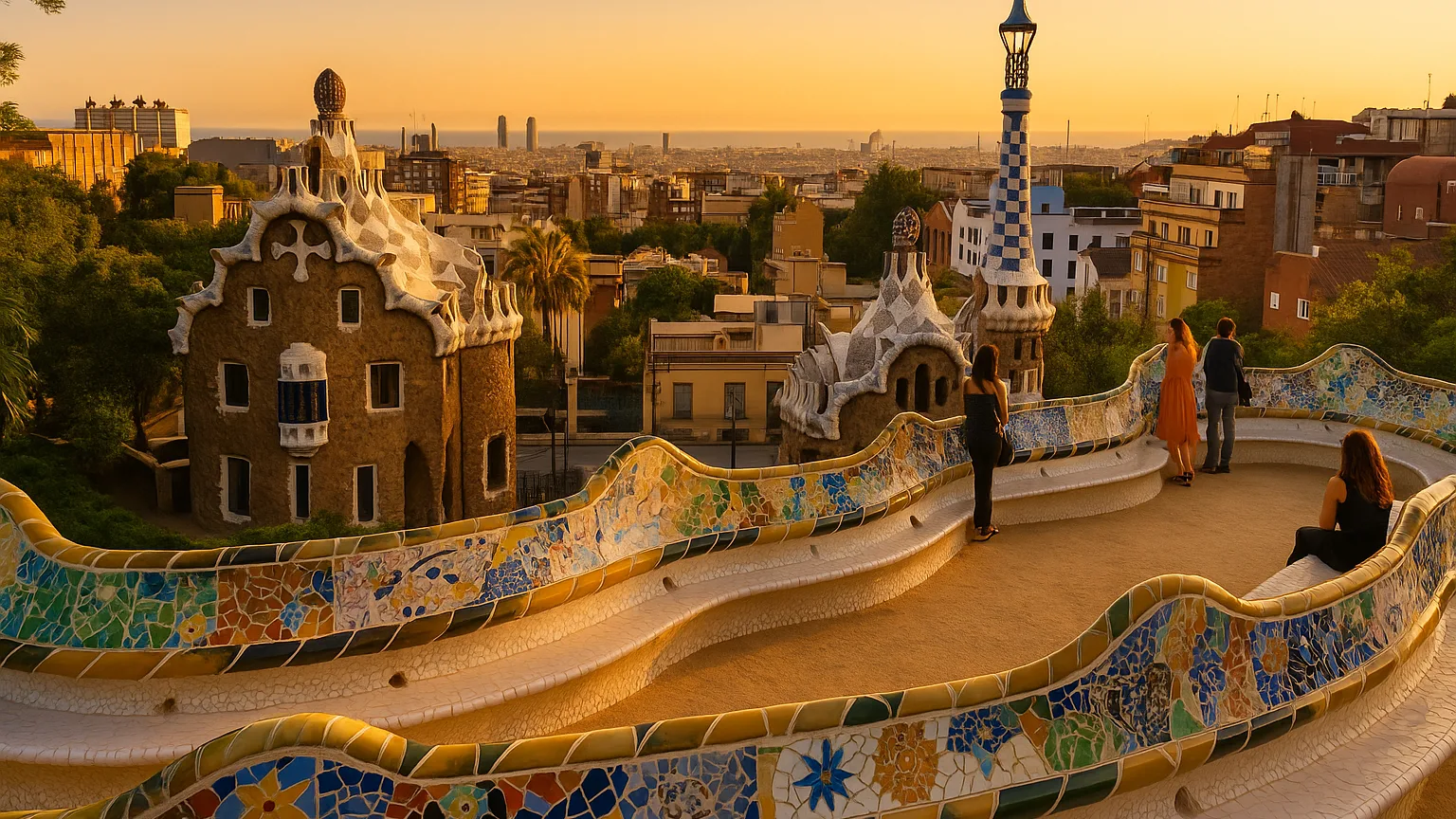
Set your pace before you compare routes
Physical pace is one of the most common sources of disappointment. Barcelona is walkable, but it is also busy, uneven in places, and warmer than many visitors expect. Look at the total duration and the number of stops, then judge whether the route leaves time to sit down, take photos, or enter a building. A packed itinerary may sound efficient, yet it can feel tiring if every stop has a short window.
Watch for routes that list many landmarks without explaining transfer time. Crossing a district, waiting at traffic lights, and moving through crowded streets all take time. If the day includes both a museum and several outdoor stops, check whether entry time is built in or merely suggested. When comparing city tours barcelona, pay attention to the walking pace, the length of breaks, and whether there is any transport between distant points. These details often matter more than the order of the stops.
Mobility needs should shape the decision early. If stairs, long standing periods, or cobbled streets are difficult, look for a route with fewer moving parts and clearer rest points. Do not assume that a short duration means an easy route. Confirm the practical details with whichever business you choose, including accessibility, meeting arrangements, and what is included, before you commit.
Choose the group size that suits you
A private guide gives the most control over pace and focus. It works well for families, small groups of friends, or travellers with specific interests. The trade off is a higher level of planning and usually a less spontaneous feel if every detail has to be fixed in advance. A small group tour offers a middle path, with some structure and less noise than a large crowd. It also makes it easier to ask questions without waiting for a lull.
Large groups can be useful when the route is simple and the main draw is the landmark itself. The downside is reduced flexibility. You may spend more time gathering the group, listening through a crowd, or waiting at busy entrances. If you want to linger somewhere, check whether that is realistic. If the highlight of your trip is a single museum or a neighbourhood walk, a smaller format is often the calmer choice.
Children, older travellers, and anyone sensitive to noise may prefer a format with clear breaks and a shorter route. Ask whether the pace is steady, whether there are scheduled pauses, and how the group handles late arrivals. These are small points, but they shape the feel of the day.
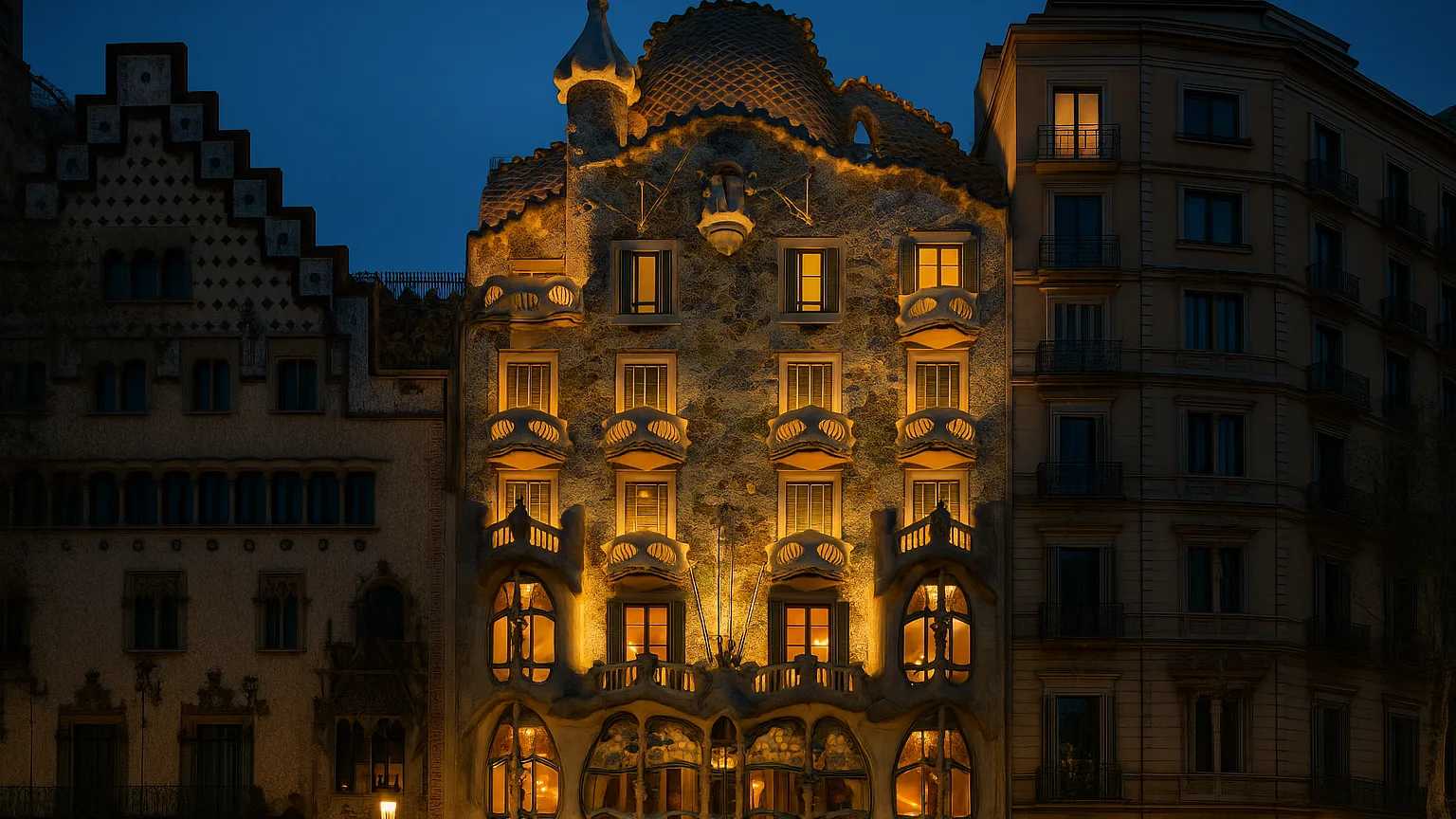
Match the itinerary to your location
Your base in Eixample gives you a useful advantage: you can compare routes by how easily they connect to the rest of the city. A day that starts nearby and moves toward the old centre can be efficient, especially if you want historic streets followed by a meal. A route that begins elsewhere may still be worth it if it saves you from doubling back later. Map the start and finish against your accommodation, not just against the landmark list.
Think about timing as well. Morning routes often feel calmer at popular sites, while later routes may suit a slower start or a food focused afternoon. If you plan to visit a museum afterwards, leave enough space between activities. Barcelona has enough to fill a day without forcing two dense itineraries together. When you search for city tours barcelona, compare the time of day as carefully as the content.
Weather can change the best laid plan. On hot days, a route with shaded streets and indoor stops is easier to enjoy. On grey days, an open air walking route may feel less appealing. If your dates are flexible, look at the overall shape of the day and keep a backup that suits a change in conditions.
Read the details that are easy to miss
Once a route sounds right, move from the headline to the fine print. Check what happens if a site is closed, if a street is busy, or if the group runs late. A clear itinerary usually explains which stops are essential and which are flexible. That tells you how the day will feel when the city does not cooperate.
Look for clarity on language, meeting instructions, group size, and what you need to bring. Some routes include entry to certain sites, while others focus on the exterior and streets. Food tasting or a wine cellar visit may add a pleasant pause, but they also change the tone of the day and the amount of time spent indoors. Make sure those additions fit your preferences rather than treating them as automatic benefits.
One local option is Girona Day Tour From Barcelona. If you are comparing broader day trip options, check the departure point, travel time, and how much time is spent at the destination, since those factors can change the value of the day. Confirm current details with whichever business you choose before booking.
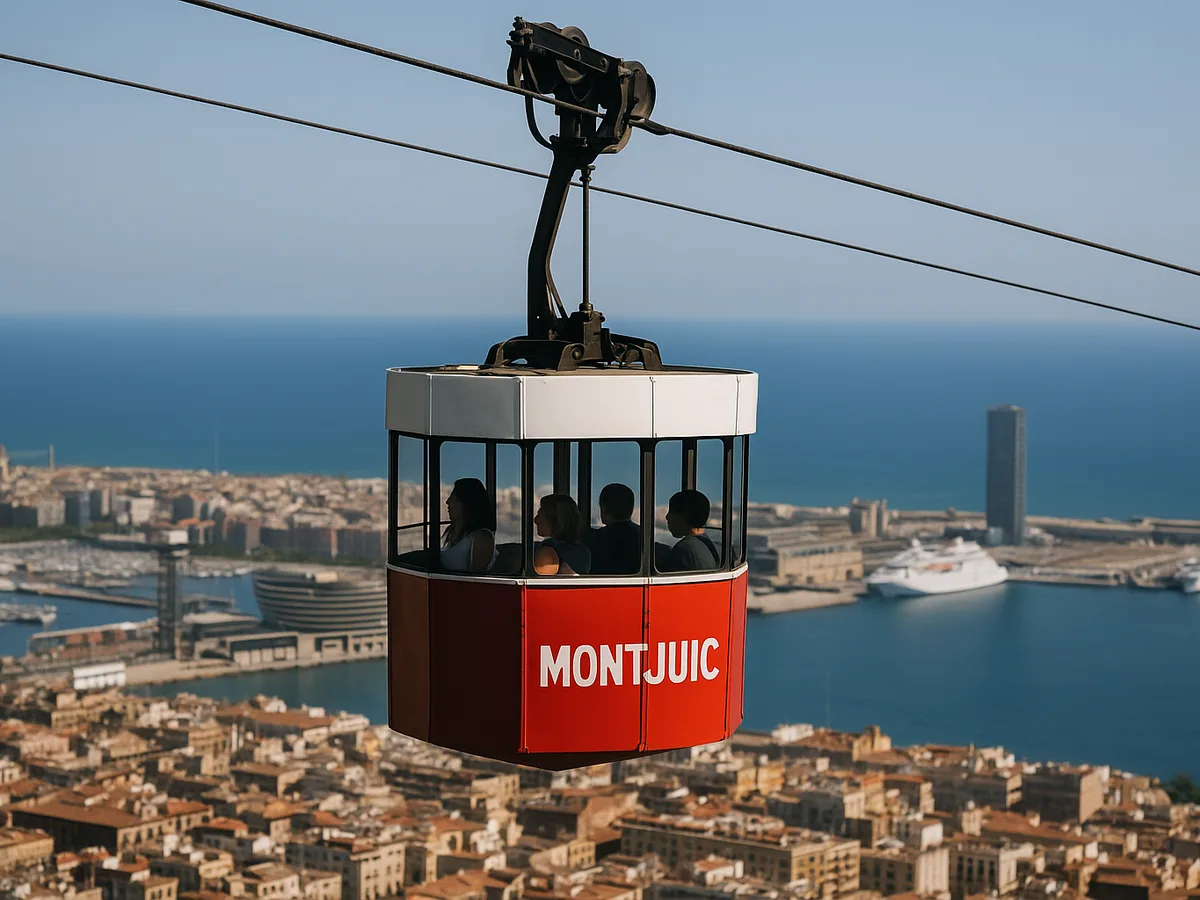
Finally, trust a clear fit over a perfect sounding list. The best day is one that leaves you with energy, a sense of place, and enough time to enjoy the city after the route ends. A well chosen tour should make Barcelona feel easier to understand, not more complicated. Compare the start point, pace, group size, stops, and practical details in order, and the decision becomes much simpler.
Girona Day Tour From Barcelona is located at Carrer de Roger de Llúria, 115, Eixample, 08037 Barcelona, Spain. The phone number is +34 632 93 79 41.